

















Pablo Escobar in Medellín: how to learn the history with respect
Learning the history of drug trafficking in Medellín matters, but with respect: where to understand it through the victims and the city that rebuilt itself.
Knowing the story of Pablo Escobar matters if you want to understand Medellín, but people here hate the crimes and bloodshed that business left behind, and it hurts them to see it celebrated. To understand it with respect: the Museo Casa de la Memoria (free entry), the Parque Inflexión where the Mónaco building used to stand, and Comuna 13 with guides from the neighborhood.
Almost everyone who comes to Medellín for the first time arrives with a question about Pablo Escobar. That’s normal: for years he was the only thing the world knew about this city, and TV series turned him into a character. Knowing that history matters if you want to understand how Medellín got to where it is today. What we ask is that you do it with respect.
How people here feel
For people who live in Medellín, that history isn’t a TV show. It’s the car bomb that went off on the corner, the relative who never came home, the years when going out at night was a risk. That’s why it hurts to see T-shirts with his face, tours that paint him as a Robin Hood, or tourists posing in places where people died. The city hates the crimes and bloodshed that business left behind, and doesn’t want it celebrated.
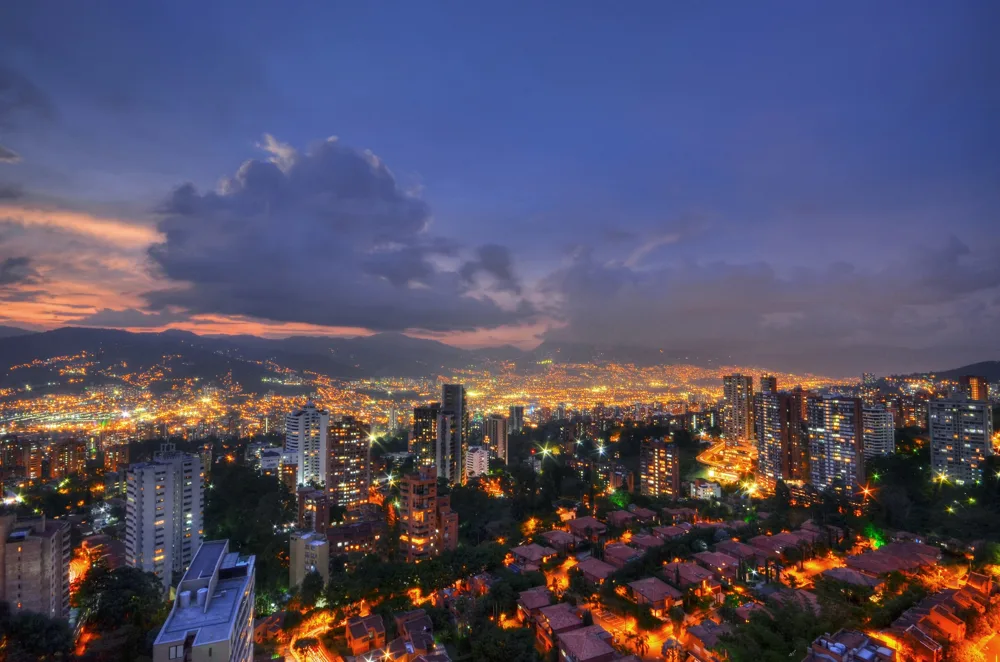
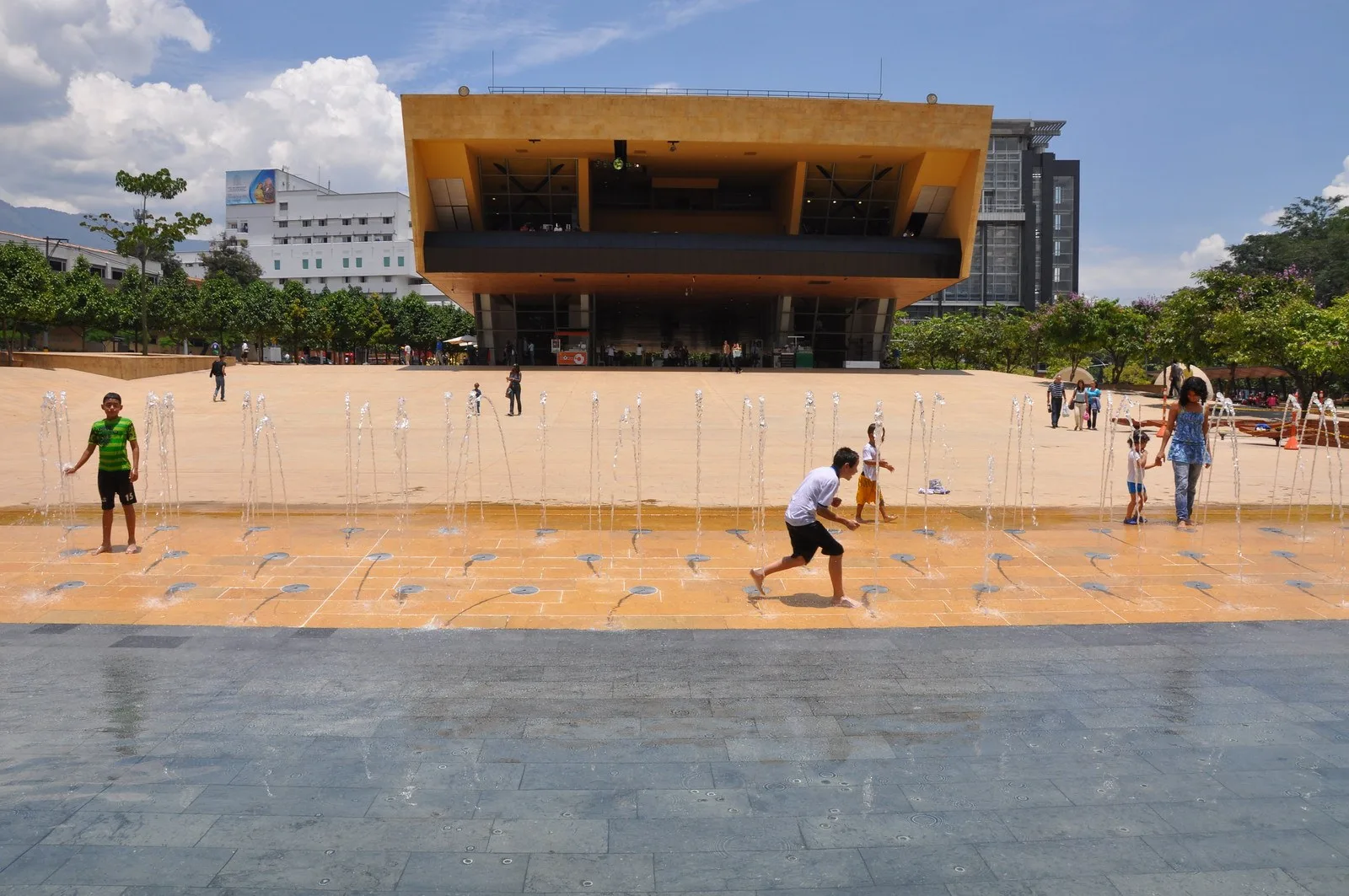
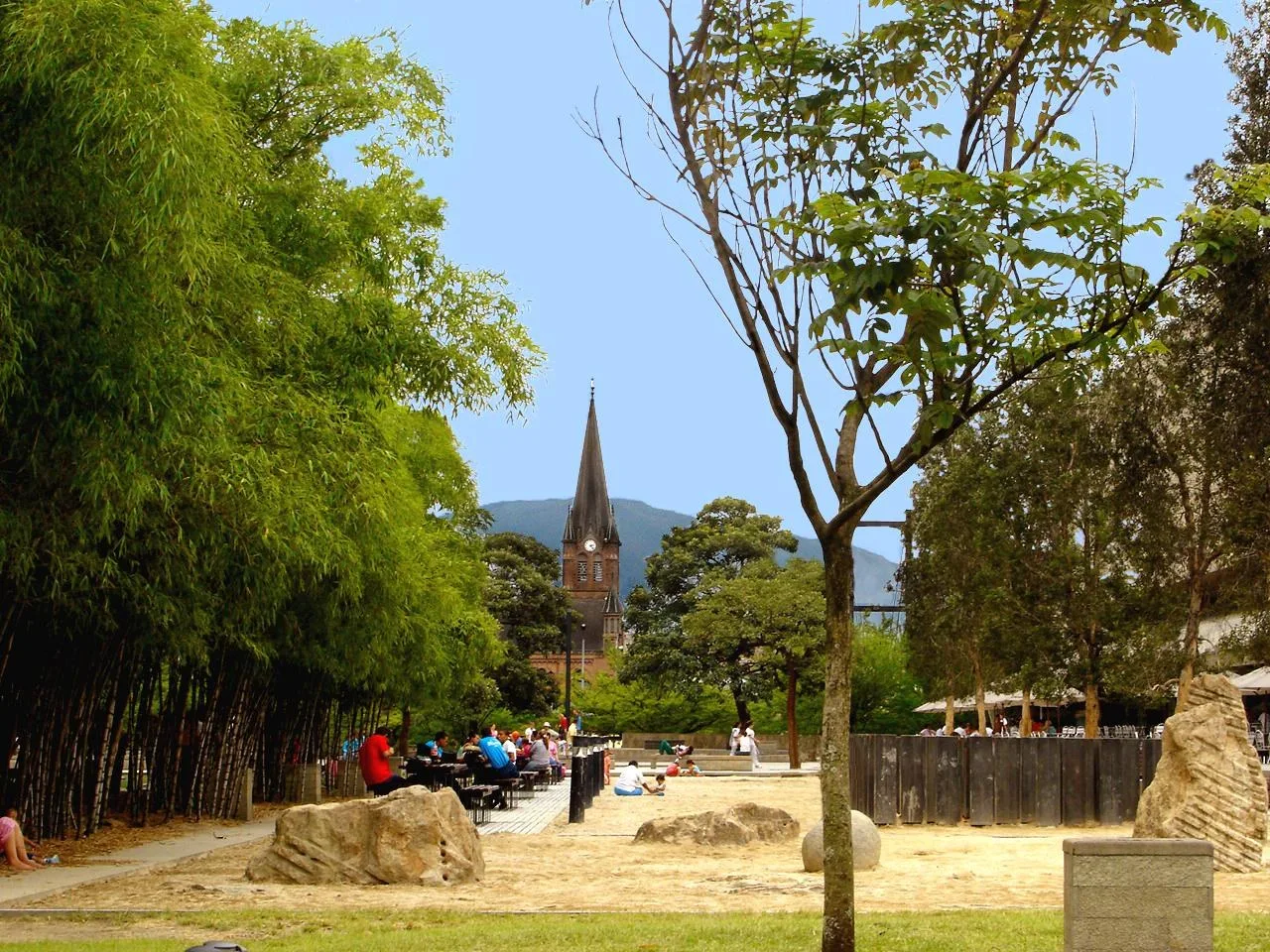
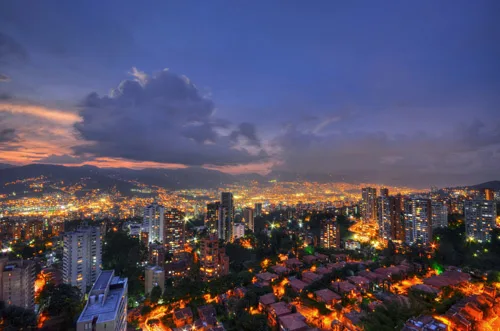
Medellín knows its past and built on top of it: libraries in the neighborhoods that suffered most, the metrocable, parks where there used to be fear. That’s the story worth knowing in full.
Where to understand it with respect
Museo Casa de la Memoria. It’s the best place to start. It tells the story of the conflict through the victims, with their voices, their belongings and their names. It’s at Calle 51 #36-66, open Tuesday to Sunday (closed the first working day of the week), and entry is free.

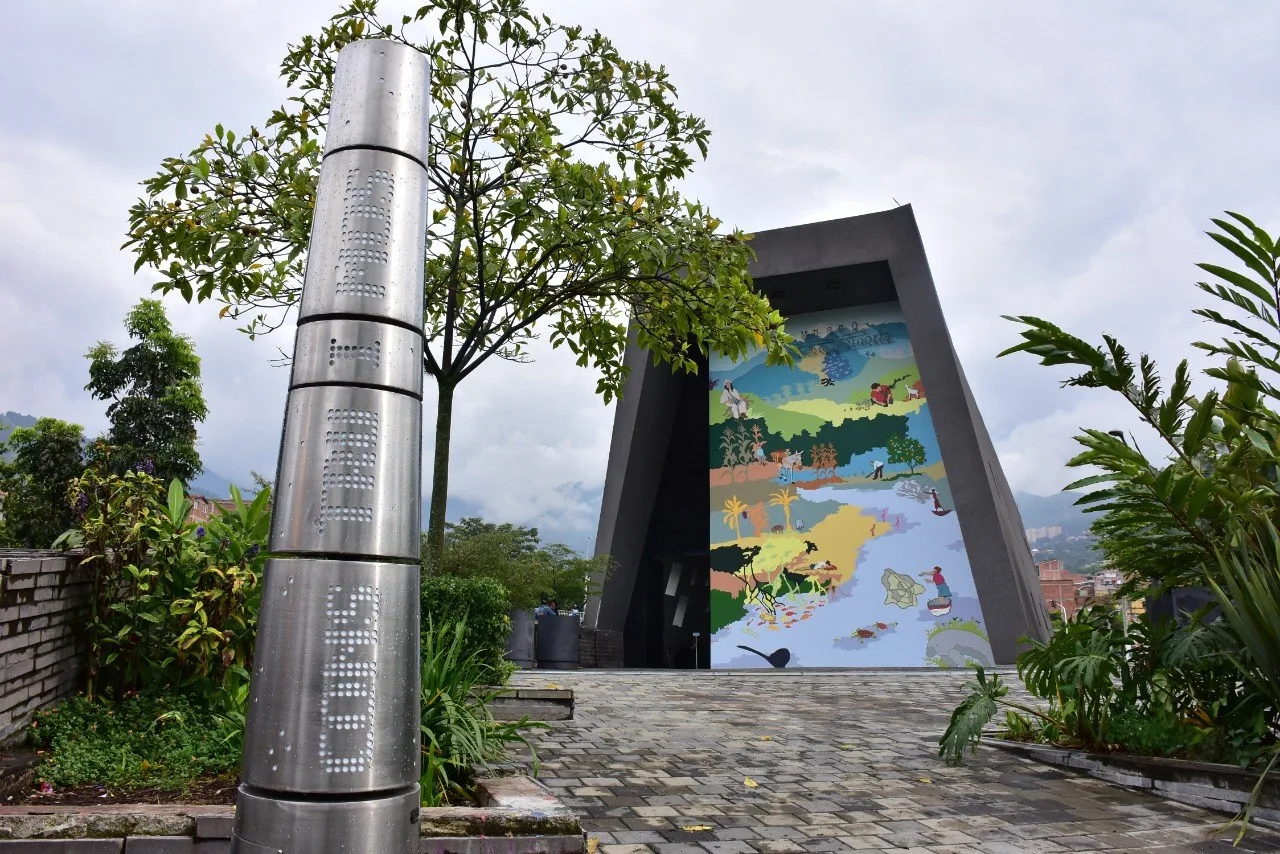
Parque Inflexión. The Mónaco building in El Poblado belonged to Escobar. In 2019 the city tore it down and built a park in its place, in memory of the victims of the narco-terror years. Its wall has thousands of holes, one for each victim of that time. It’s a place to visit in silence.
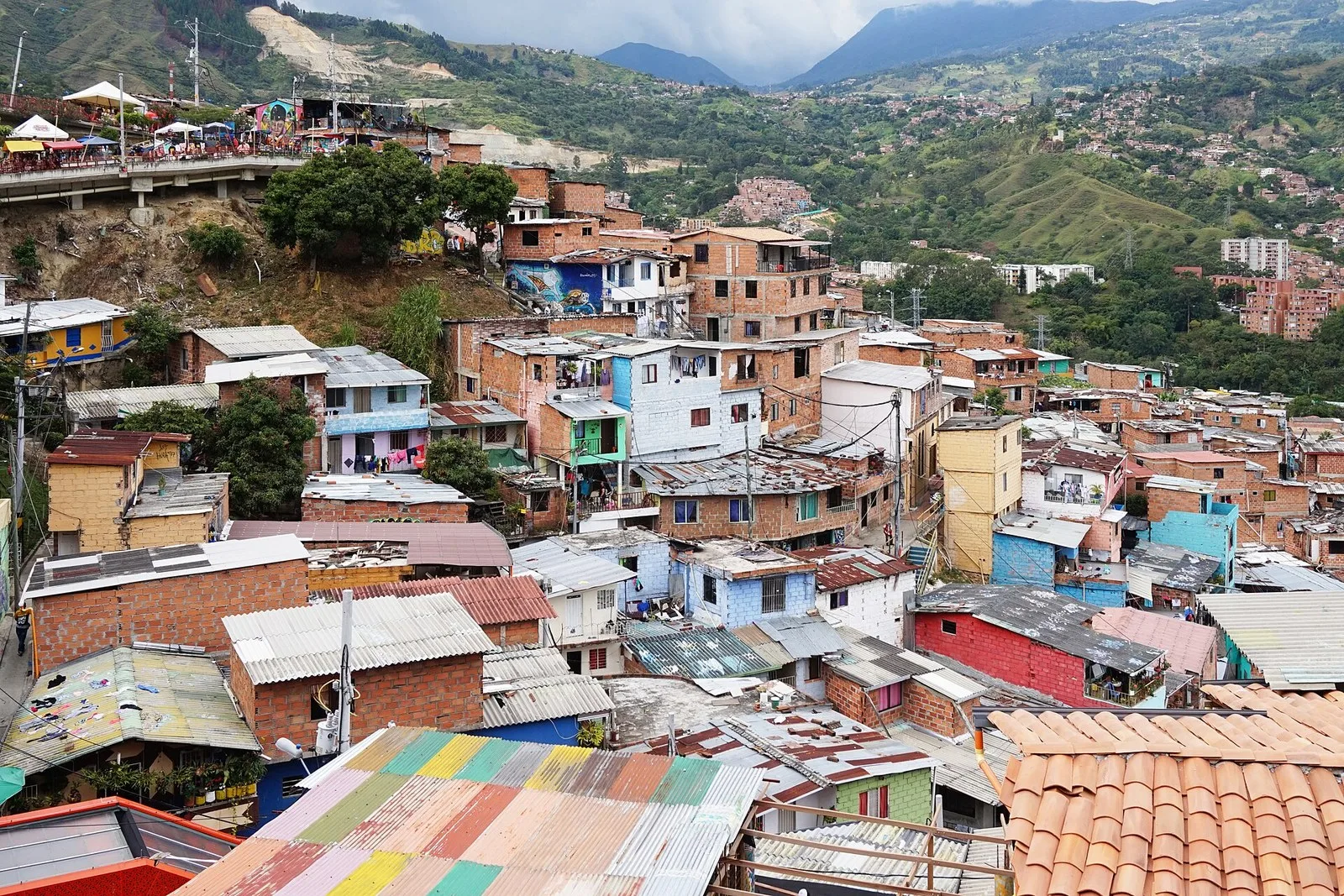
Comuna 13. It was one of the neighborhoods hit hardest by the violence, and today it’s one of the most visited in the city, for its street art, its outdoor escalators and its hip hop. Walk it with guides from the neighborhood, who tell their own story and put the money back into the community. The city government has asked vendors in the area to stop selling Escobar souvenirs.
And then, today’s Medellín
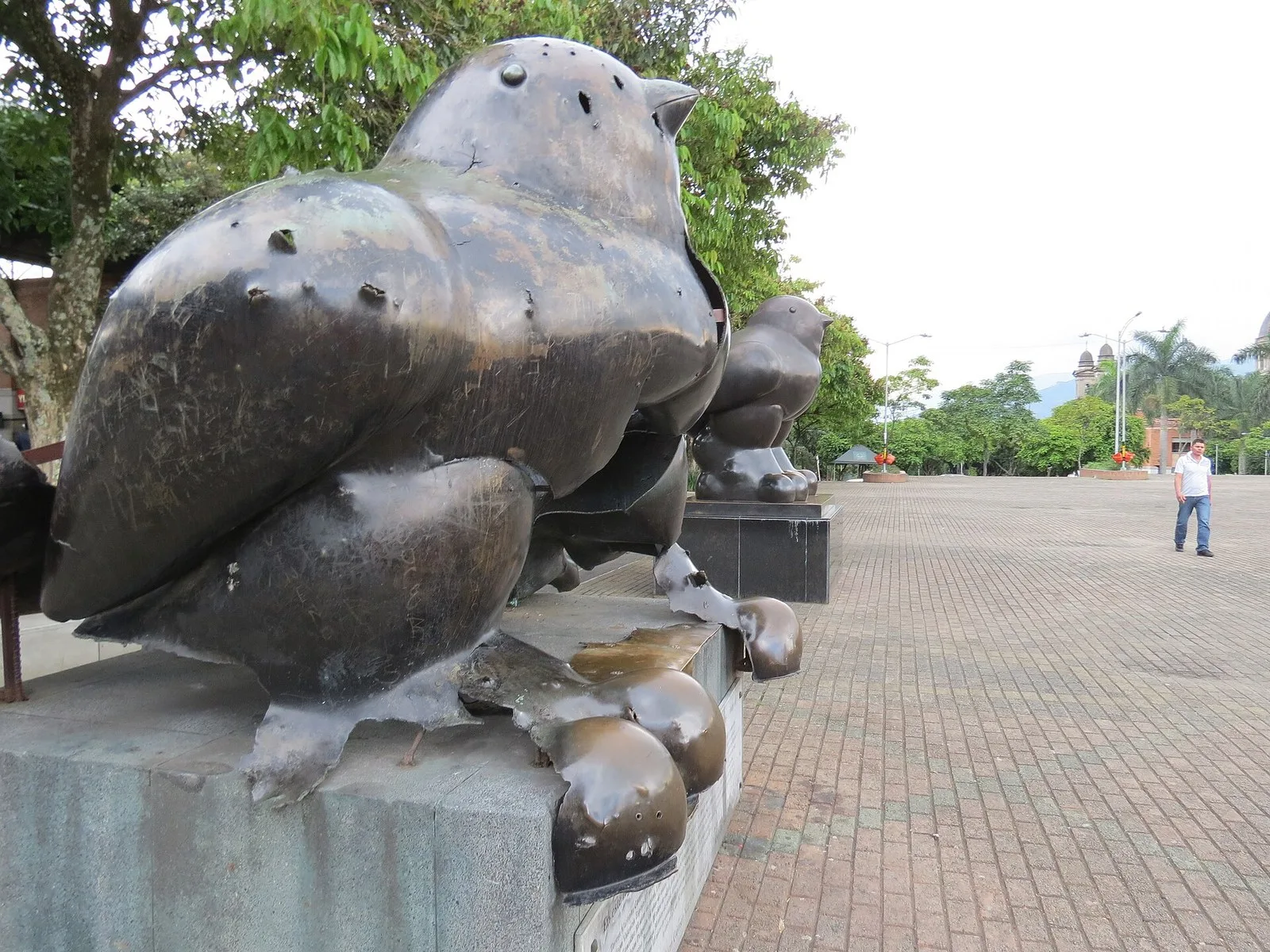
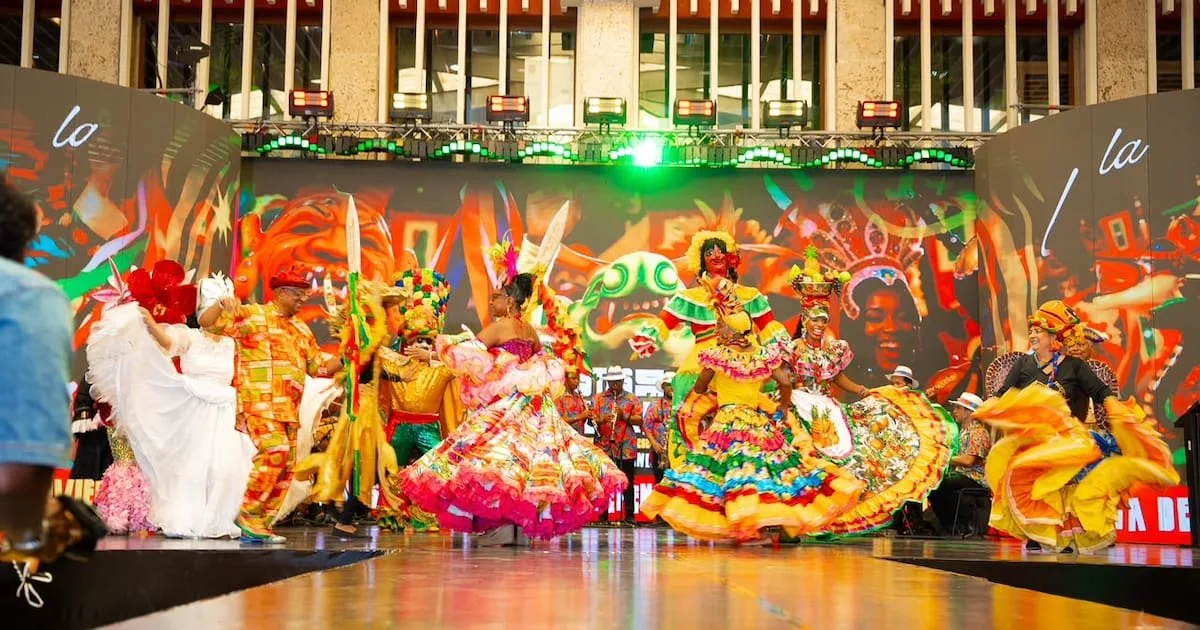
Guatapé has its own legend about an Escobar country house, but nobody goes for that: they go for the Piedra del Peñol, the reservoir and the colorful zócalos on the houses. Medellín is the same. The city has much more to tell: Plaza Botero, the hills with views over the valley, the cafés in Laureles and Provenza, the Feria de las Flores, the music. Knowing the full story means knowing where the city comes from and also everything it built afterward.